

January to April
Samui (USM), 1 hour from Bangkok
4 to 5 days
Ang Thong Marine Park
Let’s be frank. Koh Samui wasn’t my favorite island in Thailand, but it is a wonderful place if you visit with the right expectations and for the right reasons. During my stay in Koh Samui I joined a Muay Thai camp. An awesome experience, where I could still explore some parts of the island during my daytime breaks. What I didn’t expect was how much island there is once you get off the beach: white sand on one coast, quiet fishing bays, beautiful temples, and the food is as good as anywhere else in Thailand.
This Koh Samui travel guide covers 16 things to do in Koh Samui, the restaurants and bars I would send a friend to, where to stay per area, and how many days you actually need. Samui also works well as one stop in a longer trip, and it slots neatly into a 3-week Thailand itinerary if you are still building your route. I’ll be honest about one thing up front: I wasn’t able to squeeze in all the hotspots I had saved on my travel map. Where I’m passing on research rather than my own experience, I say so.
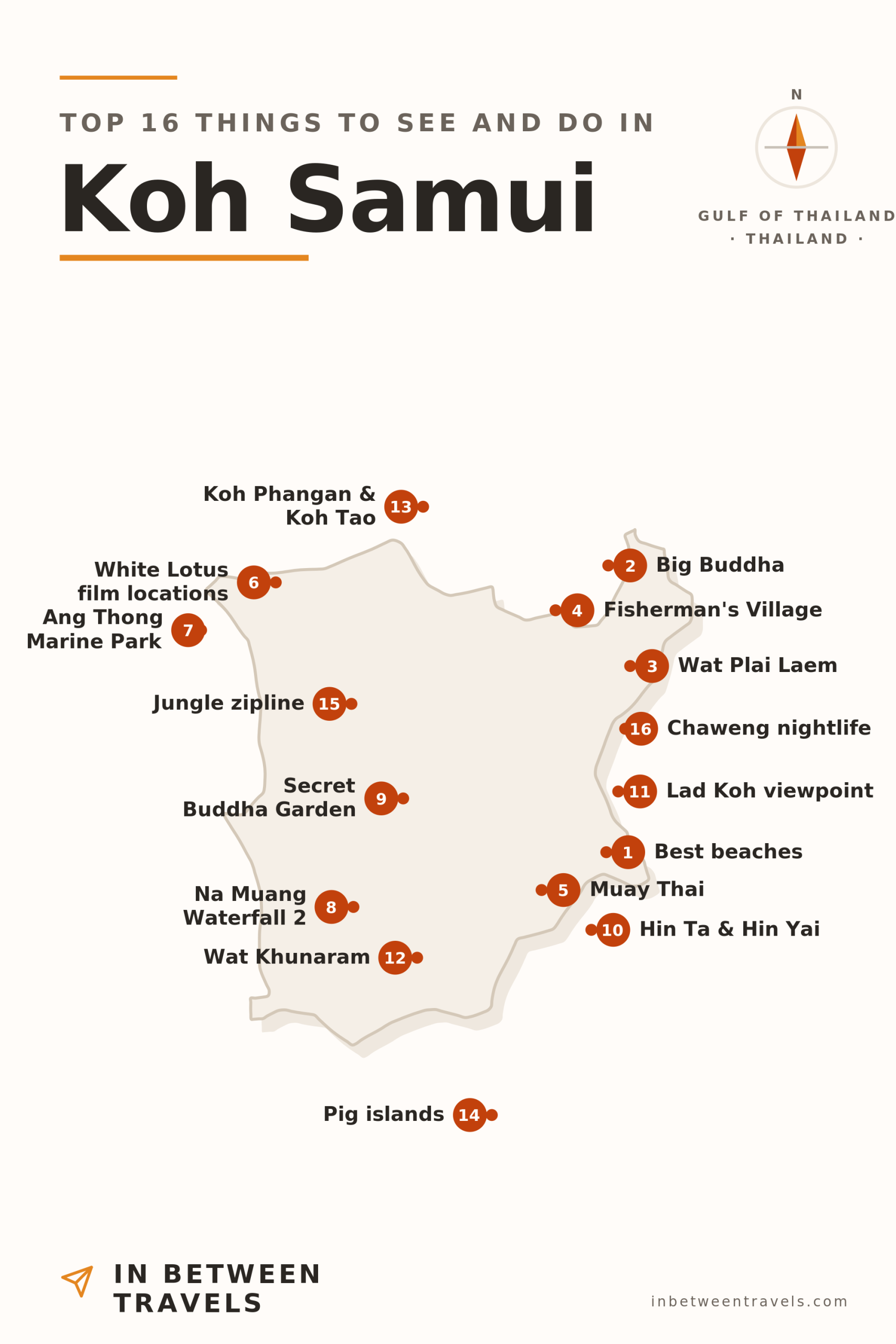
Koh Samui is Thailand’s second-biggest island and it does not feel like a backpacker stop. There is a ring road around the whole thing, an international airport, hospitals, a Central shopping mall and many resorts. If you are picturing a cute and small island like Koh Tao or Koh Lanta, you need to adjust your expectations.
The east coast, where Chaweng and Lamai are, is developed and loud in places. The north and west coasts are a different island: fishing villages, empty sand, temples with nobody at them, and sunsets over the mainland. Most people book Chaweng because it comes up first, but spend most of their time in Koh Samui getting away from the town. Of course, it depends what you are looking for.
There are many resorts, but it is also still a very local island. There are many working temples, coconut plantations and fishing communities. However, you need to leave the beach and main ring road to see it. If that still sounds too developed for you, the north of Thailand, like Pai, might be a better option. Alternatively, visit one of the smaller islands.
Samui was the setting for the third season of The White Lotus. This always has an impact on tourism, and the hotels became sights by themselves. The key hotel featured in the series is the Four Seasons on Koh Samui. Next to that, specific locations in other hotels have been used for filming, such as the Anantara Lawana and the Anantara Bophut. Both Anantaras are a lot more affordable than the Four Seasons if you want the association without the price tag.
Beyond the hotels you might recognize Choeng Mon Beach and the Wat Phu Khao Thong temple. The Dusit Dheva Cultural Center also makes an appearance, and that place actually looks amazing! You can add the Cape Fahn hotel, Am Samui Resort Taling Ngam and Pi Samui Beach Club to your tour along the White Lotus film locations too.
Samui does not follow the same calendar as the rest of Thailand. High season on the west coast runs November to February, but the Gulf islands are a month or two behind. This is the same for Koh Tao or Koh Phangan.
January to April is the best time to visit. Dry, sunny, calm sea, and the best conditions for boat trips to Ang Thong. February and March are the driest months of the year. May to September is the hot season. You get short afternoon showers instead of all-day rain, prices drop, and the island is a lot emptier. This period of the year actually offers good value. October and November is the rainy season. I wouldn’t advise visiting, as boat trips might get canceled and the weather is bad. The weather turns quickly from mid-December onwards, so a trip over New Year usually works out fine even though December is technically still shoulder season.
You can reach Koh Samui by plane or by boat, and which one makes sense depends mostly on your budget. Flying from Bangkok takes about an hour and is the easy option, but Bangkok Airways owns the airport and flies most of the routes, so fares stay higher than you would expect for a domestic hop. Book early, because they do not drop. I paid €150 for a one-way fare from Bangkok.
The cheaper route is to fly or take the train to Surat Thani on the mainland and cross by bus and ferry. It adds three to four hours and can halve the cost. Boats also come in from Koh Phangan and Koh Tao, so Samui slots easily into an island-hopping route. One thing to check before you book a taxi: boats leave from four different piers depending on the operator.
Coming through Surat Thani? Khao Sok National Park is two hours inland, and the overnight tour on the lake is one of the best things we did in Thailand. Transport from Samui to Khao Sok is easy to book online.
Samui’s airport is one of the nicest small ones you will ever land at, all open-air pavilions and gardens.
Besides Bangkok there are direct flights from Phuket, Krabi, Chiang Mai, Kuala Lumpur, Singapore and Hong Kong. The terminal is being expanded from the second quarter of 2026 to handle six million passengers a year.
Lomprayah runs the fast catamarans, Seatran and Raja the slower car ferries.
Koh Phangan: 250 to 350 baht (€6 to €9), 30 to 45 minutes.
Koh Tao: from 600 baht (€16), 1.5 to 2 hours.
Surat Thani: from 300 baht (€8) on the slow ferry.
Scooter: This is the best way to get around. It is the cheapest option and the roads are in good shape, so you can go wherever you want without waiting. Expect 140 to 350 baht a day (€3.50 to €9) for a 125cc automatic. The ring road is about 50 km, so you can circle the island in a morning. Bring an international driving permit with the motorcycle category on it and always wear a helmet.
Taxis and Grab: If you want to go for a drink or want to avoid driving a scooter, a taxi is the easiest way to get around. I recommend using Grab, as it shows you the fare before you accept.
Songthaew: The red pickup trucks that run fixed routes along the ring road cost 50 to 100 baht for a short hop and are the cheapest option going. There is no time table, fun, but more difficult if you have a plan in mind.
01
Samui has beaches on all four coasts. The east coast is more crowded and the north and west are quieter.
Chaweng: known for the white sand and the busiest strip on the island. Expect crowds and many people selling you something on the beach.
Lamai: a more laid-back alternative to Chaweng, with the same quality of sand. Beach bars and restaurants are around.
Silver Beach: A small cove between Chaweng and Lamai with big granite boulders and the clearest water on Samui. The snorkeling here is the best you’ll get without taking a boat. It does get busy, so go early!
Choeng Mon: a wide, shallow bay in the northeast with palms hanging over the sand. Calm enough for kids, and at low tide you can walk out to the little island in the bay.
Lipa Noi: if you want sunsets, this is the place to go.
Ban Tai: most visitors skip this north-coast stretch entirely. Good for kitesurfing and long walks, with almost nobody on it.


02
The golden Buddha is 12 meters tall and you can already spot it from the plane. It sits in the north of the island, five minutes from Wat Plai Laem, so you can easily combine them.
You climb a staircase to reach the statue, and the view back over the north coast from the top is beautiful. It is free to enter, open from early morning until around 18:00. Make sure to bring something to cover your shoulders and knees.


03
Wat Plai Laem is built on a lake, with an 18-armed statue rising out of the water, and a laughing Budai on the other side. The colors are beautiful and the level of detail makes it a very special place to wander around. It has free entry, and I recommend visiting in the morning before the tours arrive.


04
Fisherman’s Village is a strip of old Chinese-Thai wooden shophouses that have been turned into restaurants, bars and boutiques. It is the most well-known street on the island. Go on a Friday evening, when the whole street closes to traffic for the walking street market.
I would advise you to go during the night market, as there is not much happening during the day. Nevertheless, there are some nice seafront restaurants to relax at.


05
There are Muay Thai schools all over the island and they take complete beginners. A big shout out to Punch It Gym, where I trained myself. Book a class here! And if you would rather watch than get hit, go to a fight night. Most gyms run classes twice a day and take drop-ins as well as week-long packages, at around 400 to 600 baht a session. The stadiums in Chaweng and Lamai run fight nights most weeks.


06
If you are a fan, it is fun to visit some of the White Lotus film locations, such as the Dusit Dheva Cultural Center and Wat Phu Khao Thong that can be combined. Choeng Mon Beach is a good place to end up afterwards. The hotels themselves you can only really see if you’re staying, though several will let you in for lunch or a drink if you book ahead.
07
Ang Thong is the most popular day trip in Koh Samui. It is a boat trip to a National Park with 42 limestone islands about 30 km west of Samui. Tours include kayaking through the lagoons, snorkeling, lunch on a boat and a climb up to a view point. There is also the emerald lake on Koh Mae Ko, which you can look at but not swim in.
National park entry is 300 baht for adults, usually paid on top of the tour price. The park is open 08:00 to 17:00 and closes in bad weather, which mostly means October and November.
Most booked tour from Koh Samui: the full-day Ang Thong trip with kayaking, snorkeling, lunch on the boat and the Koh Wua Talap viewpoint. Book a few days ahead in high season.
08
There are two waterfalls here. Skip the first one and walk on to Na Muang 2, which is more impressive. It is a 15-minute climb to the foot of it, and you can carry on to the top along a path on the left side. That second stretch is steep and takes about 30 minutes. The best thing is to bring sturdy sandals or water shoes, or shoes that can get wet.
Free to enter. The waterfall is at its best right after the rainy season and can be down to a trickle by April. Be aware that there are elephant camps at the entrance offering rides. Ignore them, as they are generally not ethical.
09
This one is up in the hills, and it is strange in a good way. It is a collection of stone statues scattered through the jungle: Buddhas, animals, dancers and family members, all overgrown, with a stream running through the middle. Entry is 80 baht, open 08:00 to 17:00. Getting there by motorbike is a bit challenging as the last stretch is steep.
10
Hin Ta and Hin Yai are a pair of rocks in the south that look exactly like what the names translate to. You can see them in a couple of minutes and it is free to visit. Also visit the Overlap Stone, which is one of the highlights of the island.
11
The inland of Koh Samui has some hills. There are a couple of viewpoints worth visiting close to the ring road.
Lad Koh viewpoint: the easiest one, right on the ring road between Chaweng and Lamai, looking down the coast. It is free and there is parking available.
Khao Hua Jook Pagoda: a golden pagoda on a hill above Chaweng with a 360-degree view over the lake, the beach and the airport. A good viewpoint to visit for sunset.
Jungle Route 360: the cross-island road through the interior, with a cafe and viewing platform partway up. Steep and rough in sections, so this is best done with a tour.
12
Luang Pho Daeng, a monk who died in meditation in 1973, sits in a glass case at Wat Khunaram wearing sunglasses. His body was found to be largely intact when the temple went to cremate him, and it has been on display ever since. It is pretty strange for tourists. Locals come here to pay their respects, so keep it quiet and cover your shoulders and knees.
13
Samui is the biggest of the three islands. By ferry, you can reach Koh Phangan or Koh Tao. Generally, I wouldn’t recommend a day trip, as they are both worth a couple of nights. However, if you are short on time, this could work.
Koh Phangan is 30 to 45 minutes by ferry and has better beaches than Samui. Bottle Beach and the Than Sadet waterfalls are the usual targets. It is also where the Full Moon Party happens, if your dates line up and that is your thing. You can also book a relaxed boat tour to Koh Phangan.
Koh Tao is 1.5 to 2 hours away and is really a diving destination, so it makes more sense as an overnight than a day trip. If you do go, the walk from Sairee Beach to Freedom Beach is the best half day on the island. You can book a day tour to Koh Tao including snorkeling.


14
Koh Madsum and Koh Taen sit just off Samui’s south coast, and yes, there really are pigs on the beach. They belong to the island and they will walk straight up to you. It is a half-day speedboat trip and the snorkeling at Koh Taen is better than anything you can reach from Samui itself. A tour costs around €45 and is one of the most popular things to do on the island.
15
The Tree Bridge course in the hills above Mae Nam runs eight ziplines and a set of sky bridges through the jungle canopy, and it ends at a café built into the trees with a view back down over the north coast. It takes about three hours including transfers and costs around €50.
16
Chaweng Beach Road is Samui’s nightlife, for better and worse. The strip runs for a couple of kilometers and covers everything from beach clubs with fire shows to open-front bars with pool tables to the loud, neon end of Soi Green Mango. Ark Bar and Elephant Beach Club are the two big beachfront names, both with fire shows and both packed.
Samui has a handful of attractions built around animals, and they come up constantly in tour listings and at the entrance to Na Muang. Elephant riding, elephant shows, tiger photo opportunities and monkey performances. None of them are good for the animals involved.
Four to five days is the sweet spot. There is plenty to do and see, especially if you include some day trips.
3 days on Koh Samui:
Day 1: Chaweng or Lamai beach in the morning, Big Buddha and Wat Plai Laem in the afternoon, dinner and the market at Fisherman’s Village.
Day 2: Ang Thong Marine Park day trip.
Day 3: scooter loop of the south, so Hin Ta and Hin Yai, Wat Khunaram, Na Muang 2, Secret Buddha Garden and sunset at Lipa Noi.
5 days on Koh Samui:
Add a slow beach day at Silver Beach and Choeng Mon, a Muay Thai class in the morning, and Khao Hua Jook Pagoda at sunset. Alternatively, do the jeep tour to see some of the fun places on the island.
7 days on Koh Samui:
Add a day trip to Koh Tao or the pig islands, a spa afternoon, and one full day where you do nothing at all. Seven days only works on Samui if you’re happy to spend part of your days chilling on the beach.
Samui works well as the beach stop in a longer route. See how it slots into my 3-week Thailand itinerary.
You already know Thai food is great. My all-in package at Punch It meant I ate most of my meals at the gym, so this is a mix of the places I made it to and the ones I would go to next time. A great way to get to know the food culture and cuisine is by doing a local cooking class.
Moonlight: an amazing local Thai restaurant in Lamai. In the tourist towns there are plenty of international restaurants to be found, so it can almost be challenging to find a great local one. Moonlight is the one!
Ban Thai: old-school Thai cooking in Fisherman’s Village. A step up in price from a street-side place, but still nowhere near what you’d pay for a Western meal.
Phensiri: home-style southern Thai food, and one of the Samui restaurants that made the Michelin Guide’s Bib Gourmand list. Bib Gourmand means good food at a fair price, not fine dining.
Jun Hom: also on the Bib Gourmand list, with a menu built around local ingredients and southern Thai recipes. Book ahead.
Something different
Wild Tribe: vegetarian and vegan local food, with a Thai base rather than the usual Western vegan menu. Good if you’ve been eating pad thai for a week.
Punch It Health Cafe: this health-conscious cafe belongs to the Punch It Gym. It’s the best way to fuel your body before or after a workout, but also honestly one of the best restaurants on the island. You don’t have to be training to eat there.
Jungle Club: up in the hills with the best view on the island. Come for dinner, or just for a drink. The drive up is steep, so I’d take a taxi rather than a scooter after dark. It is even possible to book table reservation and transfer.
The Roof: another restaurant with a big view over the coast. Slicker and pricier than Jungle Club, and better for dinner than for drinks. You can even book a table here with a return transfer, through the same deal as Jungle Club.
The Cocoon: the treat-yourself option. Luxury setting, ambitious cooking, prices to match. Save it for one night.
FishHouse: beachfront seafood at Choeng Mon, part of the Kimpton resort. It has been in the Michelin Guide every year since 2024. Order the seafood tower and take a table on the deck. It is resort-priced though, so not an every-night place.
Drip Indeed: specialty coffee, roasted well, in a small and calm space. My morning spot.
Ocean Lane: another good coffee bar in the north of Koh Samui.
Carnival Beach Village: a beach club you can make a whole day of. Food, a pool you can use in the afternoon, and good value if you stay put.
Coco Tam’s: swing seats on the sand at Fisherman’s Village, cocktails in coconuts and the famous evening fire show. Touristy and everybody knows it, and it’s still a lovely place to watch the sun go down.
Cape Away Beach Bar: a low-key beach bar near Ban Tai. Simple food, and almost nobody there.


Koh Samui has many hotels, and your experience on the island is also dependent on the area you pick. Below, there is a quick overview of the different areas.
Chaweng: the busiest beach, the best nightlife, the most restaurants and shops. Central for everything, and noisy.
Lamai: the same beach quality as Chaweng with about half the intensity, plus better local food. My pick for a first trip.
Bophut and Fisherman’s Village: the prettiest area and the best place to eat. Quieter, and handy for the airport.
Mae Nam: a long north-coast beach with a laid-back village behind it. Cheapest of the main areas.
Lipa Noi and the west coast: quiet, shallow water and sunsets. You’ll need transport for everything.
If you’re island-hopping through the rest of the country too, I’ve collected the ones I’d book again in my guide to the best hotels and hostels in Thailand.
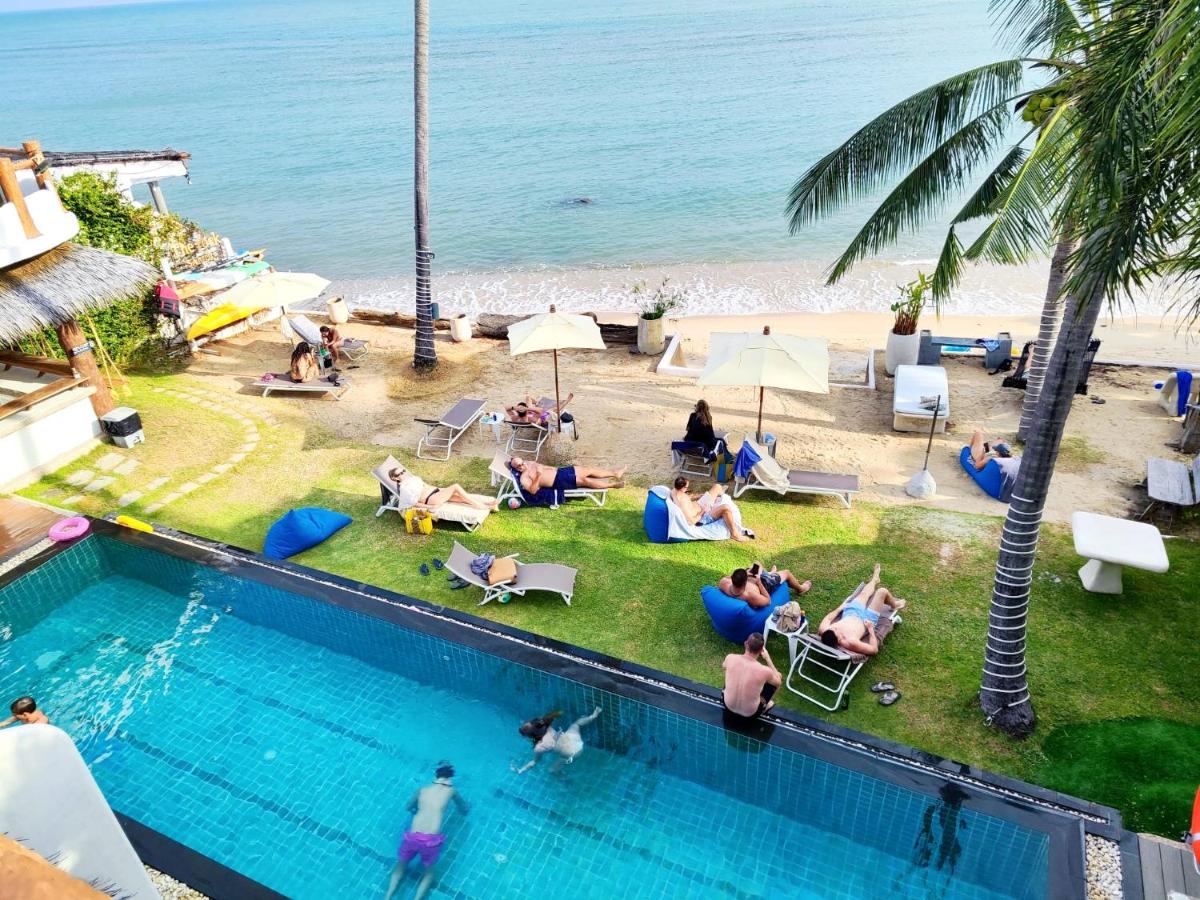
From €90/night (9.4/10)
Right on the beach in Lamai, with a pool, a few minutes from Hin Ta and Hin Yai. The location is the whole point here. You can walk to the rocks and to Lamai’s restaurants. Good value for money, but prices increase rapidly.
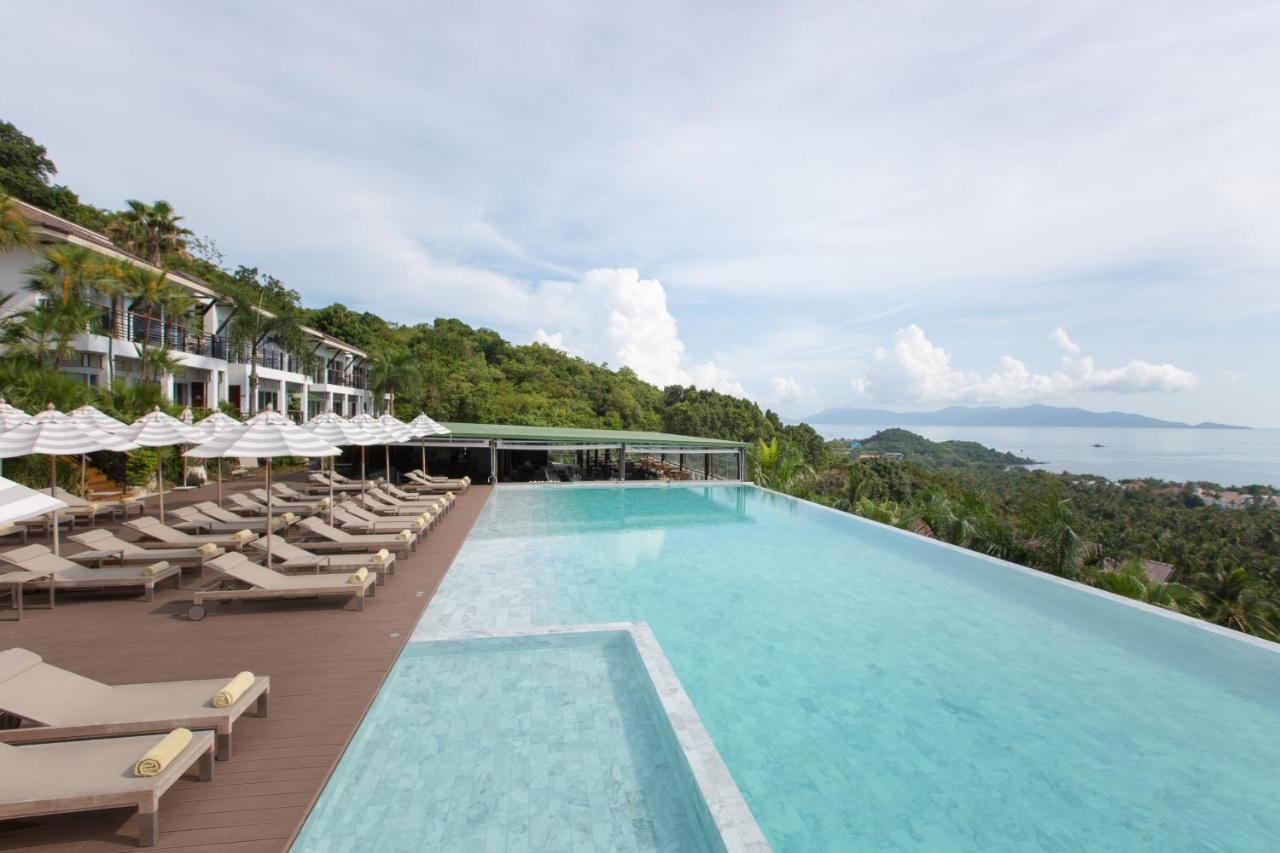
From €65/night (9.1/10)
If you are looking for a boutique hotel, this is a great option. The rooms are beautiful and there is exceptional service, a gym and a pool. It is adults only.
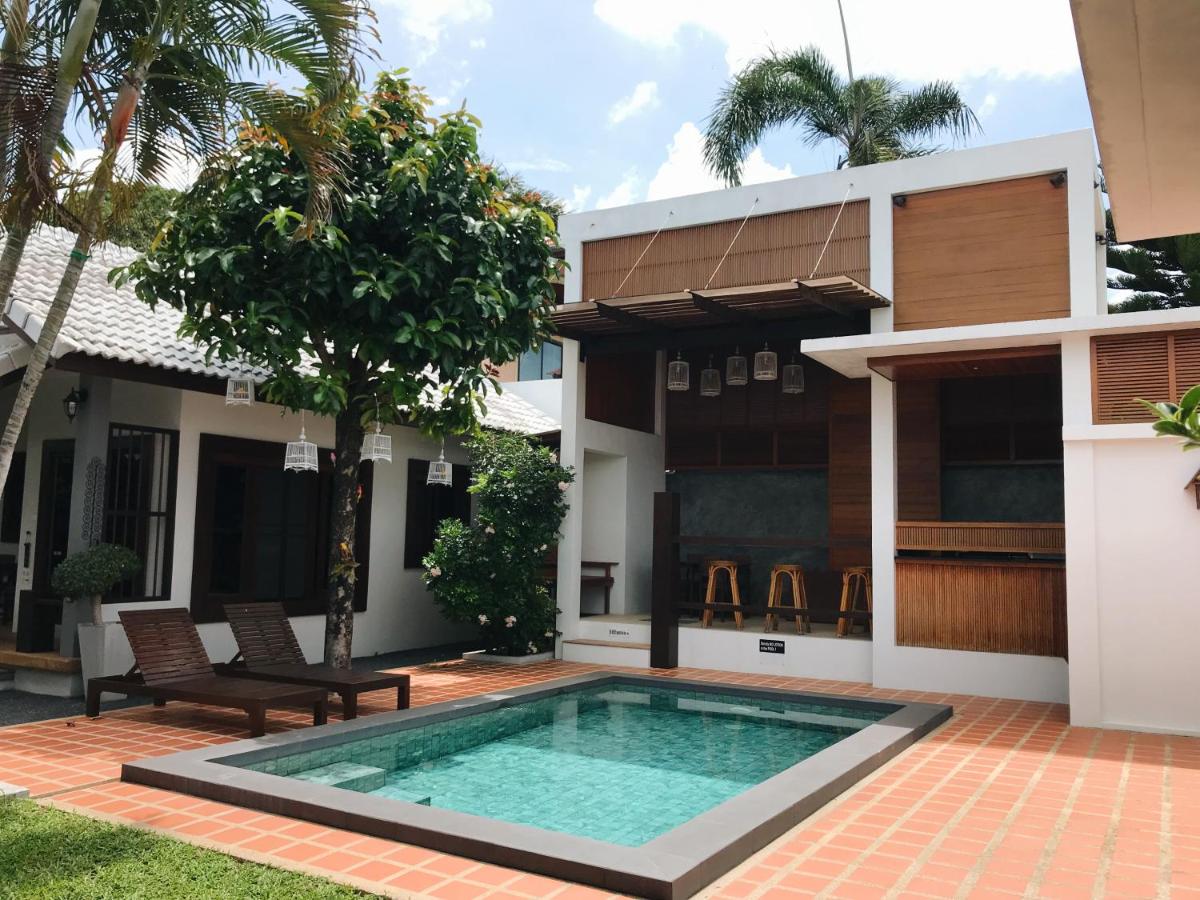
From €45/night (9.2/10)
The best value on this list. A small, quiet place set back from the Chaweng strip, with a pool and rooms that look far more expensive than they are. If you want to be in the middle of everything without paying beachfront prices, this is the one I’d book.
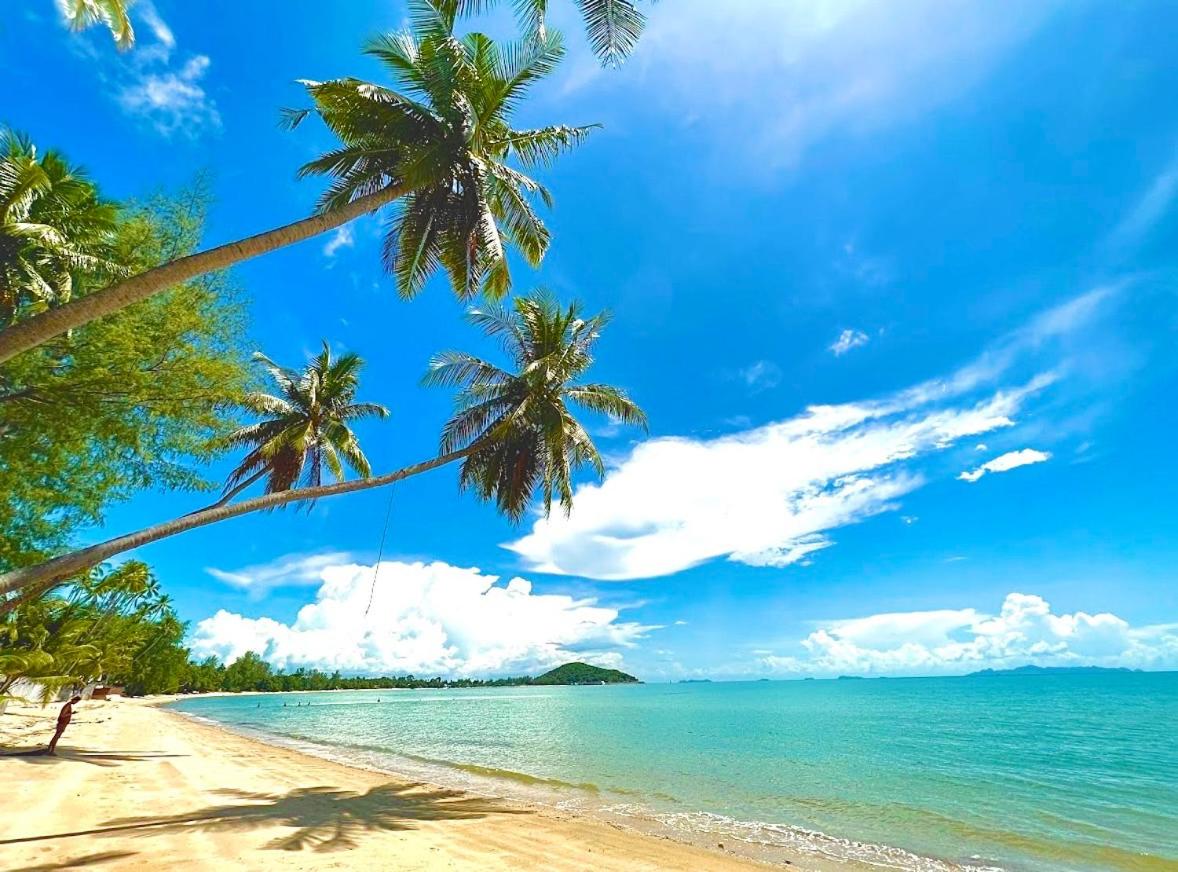
From €80/night (8.7/10)
Bungalows in a garden right on the beach at Lipa Noi, with a pool. It is very quiet here. The sunsets from this side are the best on Samui. You will need a scooter, because there is nothing within walking distance. Nevertheless, it is an amazing place.
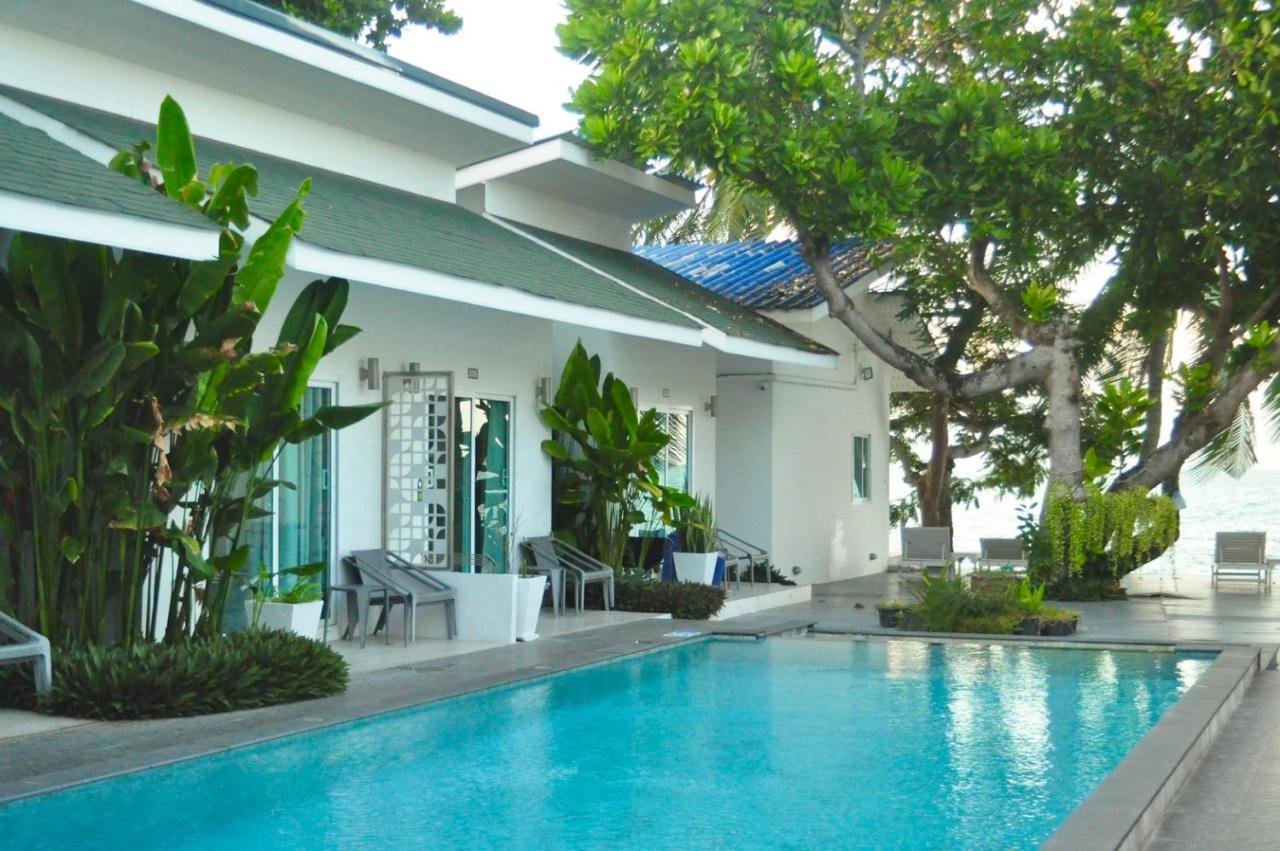
From €30/night (8.2/10)
A budget base near Mae Nam beach in the north, with a pool and a shared kitchen. Next to that, Mae Nam is the cheapest area on the island for food, so your whole trip gets cheaper by staying here.
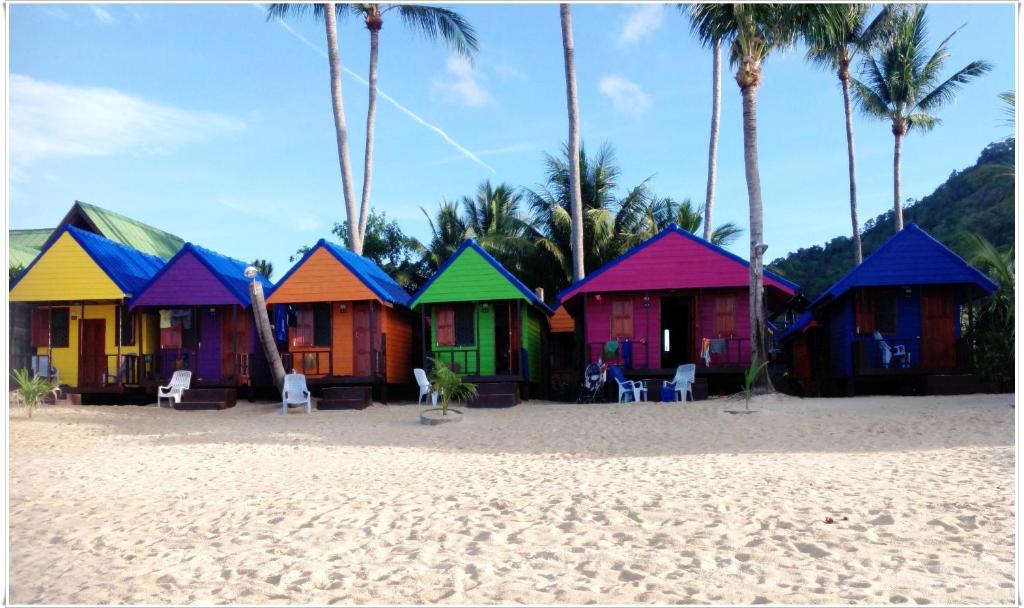
From €15/night (8.3/10)
A small beach bungalow with a fan. A bed, a shared bathroom, and that’s about it. However, you are staying right at the beach and you’ll only pay €15 a night for 2 people! An amazing budget option, right on the beach.
Get an eSIM before you land
Set up in five minutes at the airport gate. Code IBT15 for 15% off.
Before you go
The arrival card is mandatory
Every foreign visitor has to fill in the Thailand Digital Arrival Card (TDAC) online before entering the country. You can do it up to 72 hours before you land and you get a QR code that immigration scans. Check the visa rules close to your trip: most nationalities, including EU, UK and US passport holders, get 30 days visa-free on arrival, which you can extend once by another 30 days at an immigration office.
Cash still matters
Cards work in hotels and bigger restaurants, but markets, songthaews and small kitchens are cash only. ATMs charge a 220 baht fee per withdrawal, so take out larger amounts. The easiest way to pay on the island is still cash.
Get an eSIM before you fly
Coverage on Samui is good, and having data the moment you land makes Grab, maps and ferry bookings so much easier. I use Simify, and the code IBT15 gets you 15% off.
Bring an international driving permit
Cover up at temples
Plan around the rain
Questions
Yes, as long as you know what you’re getting. Samui is a developed resort island, not a quiet backpacker escape. If you want good beaches, good food, easy logistics and the option of doing very little, it delivers. If you want untouched, go to Koh Phangan’s north coast instead.
Four to five days lets you see the whole island and do one day trip. Three is enough if you have a scooter. Anything over a week is a beach holiday rather than a sightseeing trip, which is a perfectly good plan.
January to April, with February and March the driest. Samui’s rainy season runs later than the rest of Thailand, so October and November are the months to avoid.
Fly from Bangkok in about an hour, mostly with Bangkok Airways, or fly to Surat Thani and take a bus and ferry across for less money. Ferries also run from Koh Phangan, Koh Tao and Donsak pier on the mainland. Book your ferry here.
More expensive than mainland Thailand and more expensive than Koh Tao. Budget around €45 to €60 a day per person for a mid-range trip, excluding flights. To plan with: a meal at a local Thai restaurant is 80 to 150 baht, a large Chang is 80 to 120 baht, a cocktail at a beach bar 200 to 350 baht, an hour of Thai massage 300 to 500 baht, and a scooter 140 to 350 baht a day. Local restaurants and a scooter are what keep the total down. If that is more than you had in mind, Pai costs roughly half.
Chaweng for nightlife and convenience, Lamai for the same beach with less noise, Bophut for food and charm, Mae Nam for value, Lipa Noi for quiet and sunsets. Traveling with kids? Choeng Mon and Lipa Noi are shallow and calm, and most resorts there are set up for children. Skip the Chaweng strip in that case.
Samui has the best infrastructure, restaurants and hotels of the three Gulf islands. Koh Phangan has better beaches and a slower pace, and it is only 30 to 45 minutes away by ferry, so the honest answer is to do both. Koh Tao is smaller and cheaper and really a diving island. Against Phuket: Samui is smaller, greener and easier to get around, while Phuket has more nightlife and cheaper flights. For a first Thai island, I’d pick Samui.
It’s the cheapest and easiest way around by a long way, but the ring road has some steep sections and taxis are expensive enough that you’ll feel the difference. If you’re not comfortable riding, base yourself in Lamai or Bophut where you can walk to most things, and use Grab for the rest.
Just some links to the websites I use to book my trips. I receive a small fee at no extra cost to you when booking through these links. Thanks for your support ♡


Save this guide for later
Pin it now, come back when you’re actually planning the trip.
Keep planning
We use cookies to personalize content, provide social media features, and analyze our traffic. We also share information about your use of our site with our analytics partners. You can change your preferences at any time. Privacy Policy Cookie Policy


