

May to September
Sarajevo
3 days
BAM
This Sarajevo travel guide will take you through the vibrant capital of Bosnia and Herzegovina, a city with a sad and intriguing history. An up-and-coming city with cobbled streets, coffee culture and typical snacks. This Sarajevo travel guide covers my must-sees, favorite restaurants and bars in this lovely city. Sarajevo was one of the stops on my 6-week Balkan trip.
Sarajevo is a city that has loads to offer. Because of the unique history, different cultures, amazing food and cafe culture, and the nature surrounding the city, it is a place worth a visit. When visiting Sarajevo, don’t miss out on the chance to explore more of Bosnia and Herzegovina by going on a trip to, for example, Mostar and its surroundings.
The best time to visit Sarajevo is in the shoulder season, as summers can get quite warm. I’d advise visiting in May, June or September as the ideal window to travel to Bosnia and Herzegovina. That said, we visited in peak season (August) and that was perfectly fine, the city isn’t yet overflowing with mass tourism the way some coastal spots are.
Sarajevo International Airport has direct flights from a growing number of European cities. From the airport, it’s about a 15-20 minute taxi or rideshare into the city center, or a cheaper (but slower) public bus. By bus, Sarajevo connects well with Mostar (roughly 2-2.5 hours, including a scenic train option) and with Dubrovnik and Split in Croatia.
01
The small old town in Sarajevo is a sight by itself, with all the small shops selling silverware and copper, cobbled streets, and small alleys. Start at the Sebilj, the wooden Ottoman-style fountain in the pigeon square that’s been a city symbol since 1753 (you can safely fill a water bottle from it), then wander south through the old bazaar toward Gazi Husrev-beg Mosque, one of the most important Ottoman-era buildings in the Balkans. Give this at least an hour with no fixed plan, it’s the kind of place that rewards getting a little lost. If you’d rather have someone walk you through it with context, this Old Town food and coffee walking tour covers the bazaar alongside Bosnian coffee and street food.
While you’re wandering, keep an eye out for the Sarajevo Roses: red-resin-filled scars in the pavement marking spots where mortar shells killed people during the siege, scattered through downtown, including near Markale Market. For a different kind of view, it’s a short uphill walk from Baščaršija to the Yellow Fortress, one of the best sunset spots in the city, looking straight down over the Old Town’s rooftops.


02
A quiet, five-arch Ottoman stone bridge over the Miljacka river that doesn’t look like much, until you realize this is where Archduke Franz Ferdinand was assassinated in 1914, the event that triggered the First World War. It’s not really a detour, it’s more that you end up crossing it constantly just moving around the city center, and it’s worth pausing on it at least once rather than walking straight over. There’s a small museum on the corner covering the assassination in more detail if you want the full story.
03
Normally, I am not a big fan of tours. I like to discover a city on my own, at my own pace. However, in Sarajevo, I would highly recommend doing a history tour. Because the Yugoslav war took place fairly recently, tours are mainly given by locals on whom the war had a huge personal impact. We took a tour with Toorico Tours, a very experienced guide who told us how he personally experienced the war. The tour took us to the Tunnel Museum, Sniper Alley, and the Jewish Cemetery. Beyond that, it also covered sites connected to the 1984 Winter Olympics, which Sarajevo hosted: we saw the ski jumping hills, the medal podium, and an abandoned Olympic hotel.
The Tunnel of Hope itself was an 800-meter tunnel dug under the airport runway during the siege, the only way in or out of the city for food, weapons, and humanitarian aid. Today you can walk through a preserved 25-meter section and see photos, video, and personal items from the period at the small museum built around it. The tour we did is similar to the Times of Misfortune History tour.

Understand the history of the Yugoslav wars, with a visit to the tunnel museum as well as the cemetery (with a war veteran). This tour also includes a visit to the bobsled track.
From €40
I actively avoid group tours most places, I’d rather wander and figure a city out myself. Sarajevo is the exception, and it’s not close. A guide who lived through the siege, walking you through Sniper Alley and the tunnel while telling you what it was actually like, teaches you more in three hours than you’d piece together from plaques and a guidebook in three days. If you only book one thing in this whole guide, book this.


04
The cable car up Mount Trebević is worth doing as its own thing, not just a means to an end: it’s about a 10-minute walk uphill from Baščaršija to the base station, and the ride itself gives you a proper view over the whole city. At the top is the abandoned 1984 Winter Olympics bobsled track, now covered in graffiti and slowly being reclaimed by the forest, an eerie, striking walk. We were lucky to have a small group on our history tour, which meant we could also visit the bobsled track as part of that tour. But you don’t need a tour for this one: the cable car runs independently, and it’s an easy add-on to any day in the Old Town. Nevertheless, you can book a guided tour if you want an easy experience combining the two.


05
The most striking building in the city: a neo-Moorish, yellow-and-red-striped palace built by the Austro-Hungarians in 1896. It later housed the National Library, until it was deliberately shelled and burned during the siege in August 1992, destroying nearly 90% of the library’s collection. It was fully restored and reopened in 2014, and today you can go inside to see the exhibition on the building’s own history alongside the Sarajevo 1914-2014 exhibition. The building itself, inside and out, is reason enough to visit even without the history.
Get an eSIM for Europe before you land
Set up in five minutes at the airport gate. Code IBT15 for 15% off through Simify.
06
A smaller, quieter museum than the Tunnel of Hope, and arguably just as affecting: it tells the story of the siege entirely through the eyes of the children who lived through it, using donated objects (diaries, toys, clothing) paired with the donor’s own first-person account. It won the Council of Europe Museum Prize in 2018. Entrance is around 10 KM, and it’s centrally located, easy to combine with a Baščaršija walk.
07
If you want a slower half-day away from the war history and the old town crowds, Vrelo Bosne is a park built around the springs where the Bosna River begins, about 12km outside the center in Ilidža. Wooden bridges cross the water through a really pretty stretch of parkland, and a horse-drawn carriage ride is a popular (if slightly touristy) way to cover the last stretch from the Ilidža side. Take the Route 3 tram to Ilidža, then bus 28 or a short walk the rest of the way. We haven’t done this ourselves, this section is based on research rather than personal experience, but it’s a consistently well-reviewed, easy addition if you want a change of pace from the city center.
Escape the city: Book the Vrelo Bosne and Baščaršija tour with lunch, includes the horse-drawn carriage ride and a ćevapi lunch.
Mala Kuhinja doesn’t give you a menu, but proposes a few options instead. You’ll be surprised by great food without high prices to worry about.
Barhana successfully mixes international and Bosnian food. We went here multiple times, the food was great and it has, in my opinion, the best terrace in Sarajevo.
Zlatna Ribica is a wonderfully chaotic bar with a vintage interior, my favorite bar in this whole guide. Every photo of the place reflects it perfectly, and this really can’t be missed when you’re in Sarajevo.
Dekanter is one of my personal favorites. A great wine bar with good wines, a nice terrace, and excellent charcuterie plates.
Birtija is a nice bar where you can sit in the open window, drink a cheap beer, and enjoy a relaxed vibe. It’s close to the main square.
Tito is a nice, open space to enjoy your afternoon, and, as the name suggests, it’s dedicated to Tito. You’ll find it a little further out of town, but it’s a nice stroll to explore more of Sarajevo along the way.


The hotel where you get the best value for money in Sarajevo is Apartments Emerald. The rooms are modern, the location is great, and there’s free parking available.
From: €80/night
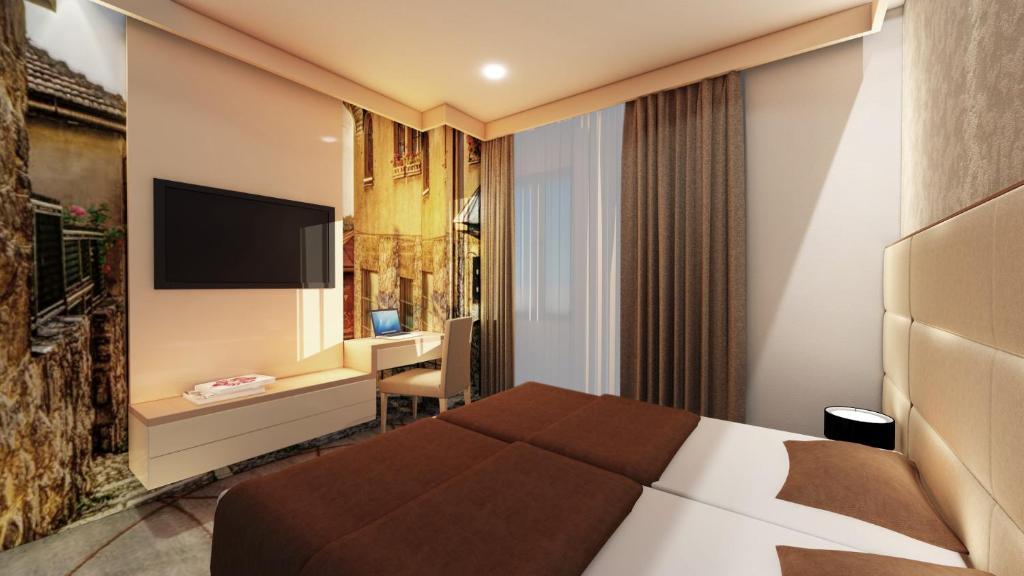
Hotel Old Town sits right in the pedestrian zone of Baščaršija, an easy walk to everything in this guide, with free parking (a genuine perk in old town), air conditioning, and a minibar in every room.
From: €120/night

Luxurious rooms, free coffee in the lobby, breakfast included, and all of that located a 300-meter walk from the main square. Located in Baščaršija.
From: €120/night
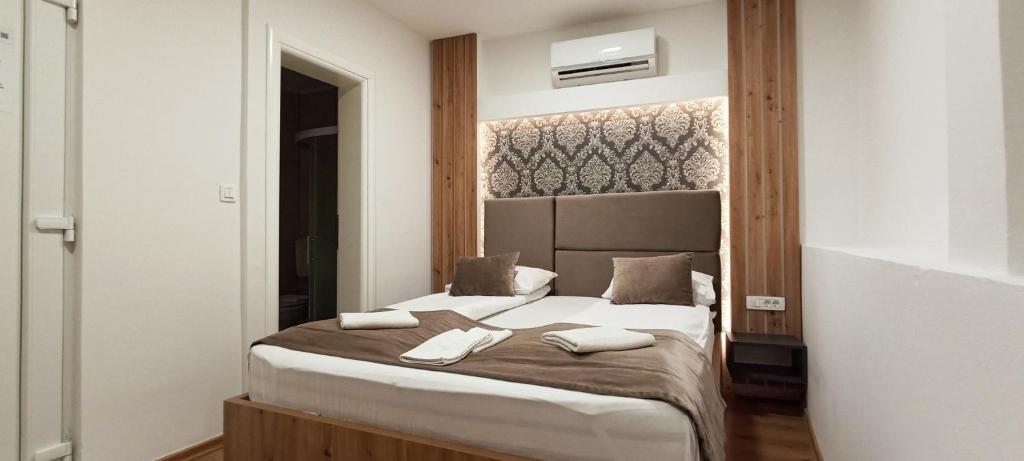
Apartments Tuffo is a catch. This budget apartment offers plenty of space, a central location, and won’t hurt your wallet.
From: €70/night
Before you go
Footwear
Sarajevo is hilly and the cobble stones can be slippery. Comfortable shoes matter more here than in most Balkan cities on this list.
Currency
Currency is the Bosnian Convertible Mark (BAM/KM). Euros are accepted in some tourist-facing places, but far less reliably than in Mostar or Kotor, bring or withdraw BAM.
Connectivity
Get a local eSIM before you land, so you have data from the airport onwards. Simify offers Europe-wide eSIMs, use code IBT15 for a discount.
Car Rental
If you want to explore beyond the city (Mostar, or further into the mountains), compare rental car options here.
Questions
Two full days is the minimum to do it justice. That way, you can spend one day in Old Town and the war history sites and the other one for the cable car, Vrelo Bosne, or just enjoy the bars and restaurants.
Yes. This is the one city on this site where we’d actively recommend booking a guide over exploring solo. You need the personal perspective to fully understand and comprehend it.
Yes, Sarajevo is a safe, walkable city for tourists. The war history is everywhere in the city’s identity, but that’s a matter of visiting respectfully, not a current safety concern. We have only sometimes heard stories about hiking to the Trebevic being a bit unsafe, but with the cable car you are good.
A direct bus or the scenic train which you can easily book here, both take roughly 2-2.5 hours. See our Mostar travel guide for more information on Mostar.
Bosnian Convertible Mark (BAM/KM). Unlike some other stops on a Balkan trip, don’t count on paying in euros here.

Save this guide for later
Pin it now, come back when you’re actually planning the trip.
Keep planning
We use cookies to personalize content, provide social media features, and analyze our traffic. We also share information about your use of our site with our analytics partners. You can change your preferences at any time. Privacy Policy Cookie Policy

