

May, June, September, October
Valencia
Three
Walkable + metro
Valencia is Spain’s third-largest city and offers a great mix of cultural landmarks, amazing cuisine, and beautiful beaches. Located along the sun-kissed coast, it is the perfect location for a city trip! Valencia also has a pleasant climate year-round, though you will enjoy the most comfortable temperatures in spring and autumn. This guide covers the best things to do in Valencia, and after that the restaurants and the bars to add to your list, as well as great hotels to stay.
I recommend spending at least 3 days in Valencia (check out my 3-day Valencia itinerary) to get the most out of your visit. However, due to its location at the beach, it won’t harm to add some additional days. Valencia can also be perfectly combined with a trip to Madrid or Barcelona. After Valencia, we headed to Madrid for the weekend which is only a direct train away. Alternatively, have a look at my Seville travel guide, one of my other city favorites in Spain!
May, June, September, and October are the best months to visit. Big summer, it can be pretty warm and you can find the most tourists. Winter is mild and it’s more quiet. This also means that a lot of the beach restaurants close, so you might not get the full experience. In March, Las Fallas takes place. This leads to a busy city, and if you are not planning on visiting, it might not be the best time to go.
Valencia has its own airport and is about 25 minutes away from the centre on metro lines 3 and 5. You can buy a single ticket for €4.80 because the airport sits in a different zone. A taxi is roughly €25, so I definitely recommend going by metro because it’s really easy. If you’re traveling from inside of Spain, Valencia is pretty easy to reach by train from both Madrid and Barcelona. Of course, if you are on a road trip, you can also visit Valencia by rental car.
01
To not make this guide too extensive by addressing every cute square in town, I would, first of all, motivate you to walk through the Old Town (Ciutat Vella) and find your way through the city. Valencia is rather small, and the Old Town, especially, can easily be discovered on foot. When wandering through the streets of Valencia’s historic center, every corner will reveal new beautiful buildings and narrow streets. The three things worth actually stopping for are all below, but just walking around is the best way to explore.
You should also visit the Plaza de la Virgen, which serves as the central hub of the city and is where most of the terraces are. If you want the history behind it, there is a guided old town tour with wine and tapas that gets very good reviews.


02
Mercado Central is something you can find in almost every Spanish city, and in Valencia it is a site that should be on your list. You can’t miss out on a visit to Mercado Central, Central Market, which is one of the largest and most beautiful fresh food markets in Europe. The market is located in a beautiful building, which already makes it worth the visit. Wander through the aisles with many fresh fruit stalls offering Iberian hams, fruits, spices, and fresh seafood.
The best way to experience it? Book a paella cooking class that starts here. You do the shopping at the market first and cook afterwards, which also means you eat paella at lunchtime (which is the correct way to do it).


03
The silk exchange sits right across the square from the Mercado Central, so you can do the two in one go. It is a UNESCO World Heritage site and the reason to go inside is the main hall: a room full of twisted stone columns that were carved to look like palm trees. It takes twenty minutes and it is one of the cheapest things you will do in Valencia.
There is also a tour that combines the cathedral, San Nicolás and La Lonja if you would rather do the three together.
04
The cathedral is a five-minute walk from La Lonja. For panoramic views of Valencia, you can ascend the 207 steps of the Miguelete Tower, the bell tower of the Valencia Cathedral. From the top, you can enjoy views of the city’s skyline and capture the beauty of Valencia from above.
Practical: the Miguelete is €3 (€2 reduced, free under 8). Last entry is half an hour before closing, and only 50 people fit up there at once, so you may have to wait.
It is only a couple of euros, so it is one of the cheapest thing you will do all weekend. But it is 207 steps up a spiral staircase, and it is narrow enough that you will be squeezing past people coming down. And Valencia is flat, so the view from the top is nice rather than spectacular. In my opinion the rooftops half the hight make the better pictures.


05
This church is supposed to be beautiful from the inside. Every ceiling is painted from wall to wall, and that’s why it’s called the Valencian Sistine Chapel. We haven’t been inside ourselves, but it’s one of the top recommendations in almost every travel guide, so I’m a bit sad we missed it. It’s only a two-minute walk from Plaza Lope de Vega.
06
This square is home to one of Europe’s narrowest buildings, which is only 107 centimeters wide. Next to the fact that the building is fun to see, for us the main reason to visit the plaza was the fact that it’s surrounded by charming cafes and boutiques and it has a lot of sun during the day. Most of the time, you can find plenty of available tables here, so we had a wonderful afternoon relaxing.


07
In the El Carmen neighborhood in the north of central Valencia, you will find a lot of street art. As you walk through the streets, you’ll encounter a display of street art on walls and alleyways, reflecting Valencia’s creative scene. The El Carmen neighborhood hasn’t always been like this, however, it has come to life again because of the street art. Meander around to find the most beautiful artworks.
We did this one on our own, which works fine. If you want the stories behind the murals and the names of the artists, there is a street art tour by bike, e-bike or e-step that you should explore more than when walking around.


08
The two towers at the north edge of the old town are what is left of the medieval city wall, and they are big. We only saw them from the outside, on our little scooter on the round trip, passing through it. You can climb them for a view over the old town and to see Turia Park behind it.
09
The river that used to run through Valencia was diverted after a flood, and the empty riverbed became a park. It is 9 kilometers long, there are no cars on it and it goes right through the city. This means you can cycle from the old town to the City of Arts and Sciences without having to cross traffic. I would highly encourage you to rent a bike or a scooter to visit. We rented our scooters / steps in Ruzafa at Go VLC.
10
One of the most famous landmarks of Valencia is the City of Arts and Sciences (Ciudad de las Artes y las Ciencias), a symbol of modern Valencia. It includes several futuristic structures, including the Museu de les Ciencies Principe Felipe and the Oceanogràfic, Europe’s largest aquarium. We walked around the outside and took photos, and for us that was the visit. The white shapes and the water around them is pretty cool. After your exploration, unwind with a refreshing craft beer at Beers & Travels, a nearby spot on your way back to the old town.


11
The largest aquarium in Europe sits inside the City of Arts and Sciences complex. We didn’t go in, so I can’t tell you what it is like from experience, but everyone who does go says to leave half a day for it rather than squeezing it in between other things.
Practical: €36 off-season to €43 in high season. Book ahead in summer.
12
Another market in Valencia, but completely different from the Mercado Central. The Mercado de Colón is in the Eixample, about 10 minutes from the Old Town. It is a modern building from 1914, and the whole ground is now filled with cafes and terraces. A great place to go for a bite or lunch or just a walk around. Horchatería Daniel sits inside, which is one of the better-known places in the city for horchata.
13
What makes Valencia special is the amazing mix of city life and the beautiful coastline. Take some time to visit Playa de la Malvarrosa, the most renowned beach in Valencia. Even if you don’t want to spend your day at the beach, it is great to enjoy some sea views at one of the restaurants near the sea. You can also visit Playa de las Arenas, located at the marina next to the promenade, with many restaurants and bars. It takes about 15 minutes by bike from the City of Arts and Sciences, which is a pretty flat route. Alternatively, you can take metro line 4, and you will be at the beach in about half an hour.
14
Unfortunately, we haven’t visited this spot during our trip to Valencia, however, it should be well worth it! This place was once an ice factory, but now La Fabrica de Hielo has been transformed into a cultural hotspot. This space hosts a variety of events, from live music to art exhibitions, so definitely check out the event calendar and enjoy a drink while mingling with locals and meeting other travelers. The entry is generally free, but it also depends on the event that’s on. Check the calendar before you walk in. It’s about a 15-minute walk from Malvarrosa beach.
15
This is my favorite area in Valencia for food and drinks. Ruzafa is a neighborhood slightly outside of the city center with many bars, restaurants, and hotels. It might not be a site, but it is something that needs to be added to your Top Things to Do in Valencia list. You come here to have brunch, walk around, and come back in the evening for a restaurant and the bars. Most of the best restaurants and bars in Valencia mentioned later in this guide are in Ruzafa.
16
Ten kilometers south of the city there is a freshwater lagoon surrounded by rice fields, and those rice fields are where paella actually comes from. El Palmar, the village in the middle of it, is where the dish was invented. Unfortunately, we had never heard about this stop when we visited ourselves, however now I see it turning up in every guide. Most people go for a boat trip at sunset and a long paella lunch.
Practical: bus 24 from the city center takes just under an hour and costs around €1,50 each way. Check the EMT timetable, the return schedule thins out in the evening. However, what is easier is to just book a full day trip to the national park. Definitely don’t forget to do the boat trip.
Get an eSIM for Spain before you go
01
Now we are at a half inland. You can find the Mijares river that runs through a gorge. The water comes out of the spring at a steady temperature, and that’s why you can swim here still in October. The pools are really nice and turquoise. The main pool is a short walk from the village, and there is a food pot along the river.
A day trip costs about €40 and includes time to relax in the water, go kayaking, or even a rafting experience. If you want to combine your city visit with some nature, this is the one I would pick first, and it is the only one on this list where the point is to do nothing all day.
We unfortunately did not go on any of these day trips, as we decided on a more relaxed trip and just explored the city. If you have a fourth or fifth day, Albufera and Montanejos would be my first picks on what to book as a day trip from Valencia. For now, it leaves enough reason for me to go back.
02
The Grutas de San José hold the longest navigable underground river in Europe, and you see them from a small boat with a guide. The trip through the cave takes around 45 minutes. Make sure to bring some warmer clothes, also in peak summer. A tour including hotel pickup from Valencia costs about €50, which is the easy way to do it, but the caves are also reachable by bus if you would rather go on your own.
03
Another cool day trip from Valencia is a visit to the Algar Waterfalls. It is a set of pools in a gorge where you can swim between the falls and walk a walking route. Most tours also go up to Guadalest, a village built onto a rock with a castle and a great view. The final stop of the tour is Altea, a white town on the coast with a blue-domed church.
Paella: You’re in the city and the region that invented paella. Valencian paella has chicken, rabbit, and beans in it, not seafood. Spanish people eat it for lunch, instead of dinner. If you see any restaurant with a photo of seafood by the area outside, I recommend skipping those as it’s mainly a tourist trap.
Horchata and fartons: Horchata is a cold, sweet, chalky drink made from tiger nuts, and fartons are the long sugary pastries you dip in it. It costs around €5 for both. Orxateria Santa Catalina near the cathedral has been serving it a long time. It is always busy and loud. Horchatería Daniel in the Mercado de Colón is the calmer option.
Agua de Valencia: This is definitely not water. It is fresh Valencian orange juice with cava, vodka and gin, served in a jug. Café de las Horas is the classic place to have one.
Esmorzaret: A second breakfast, eaten around 10 or 11 in the morning, it is a large sandwich.
Blackbird, Bluebell and Dulce de Leche: all are great brunch restaurants in Ruzafa. Fortunately, I love brunch as a meal, as there are so many great places to try in Valencia. Dulce de Leche might be the most popular one, however, I have to say Bluebell (and their little patio) might be my favorite. Check out more brunch locations in my detailed brunch in Valencia overview.


La Pappardella: perfect if you seek a central lunch spot on a lower budget. La Pappardella can be found right behind the main square and offers a menu including a drink for €25 only! Alternatively, you can pay an additional €13 for unlimited beer and wine for 2 hours. Another affordable option near Plaza de la Virgen is Saona.
Pintxo i Trago: one of our food highlights in Valencia when it came to lunch! This Basque-style pintxos bar provides a wide range of bite-sized delights that you can pair with an extensive selection of wines. Highly recommend!
La Mas Bonita: situated along Patacona Beach, this spot has a nice atmosphere and healthy menu options, offering an amazing start to the day at the beach. If you are looking for a good lunch or dinner spot at the beach, Boa Beach might be just right for you!


Voltereta, Bienvenido a Bali: this amazing restaurant transports diners to the tropical paradise of Bali. In general, I would highly recommend enjoying at least one Voltereta location. The place has an exotic decor and ambience, offering a fusion menu that combines Asian flavors with Mediterranean influences in an amazing dining experience. Book in advance!
La Finestra: famous for the delicious pizzas served on a thin, crispy crust. And the pizzas are small, so you might try multiple! This place offers a casual dining experience that is affordable and satisfying.
Bar Los Picapiedra: a tapas bar that could fit either in the restaurant section or bar section. Enjoy your drinks with small bites and an amazing local atmosphere.
Almost everything on this list is in Ruzafa, and that is not laziness. We tried the center a few times and kept walking back. Lunch is late here, around 2pm to 3.30pm, and dinner rarely starts before 9pm.


Apotheka: my favorite in Valencia that can’t be missed! This is a speakeasy-style bar known for its inventive cocktails and beautiful decor. All cocktails have a creative twist, such as being served in a bathtub!
Café de las Horas: located near Plaza de la Virgen, this café is famed for its Agua de Valencia. The baroque-inspired interior adds to its charm, making it a must-visit spot.
Casa Pepe: another gem in Ruzafa where you can go wild on Gin and Tonics! This small place offers a couple of tables where you can sip your GTs.
La Bella de Cádiz: this bar stands out with its quirky décor and lively atmosphere. Offering a range of cocktails and tapas, it’s a favorite. They have extended their opening hours and are now open daily between 19 and 01.


Bliss, Vinos Naturales y Cocteles: if you are looking for a wine bar in Ruzafa, a visit to Bliss is a good option, offering a wide range of wines.
Tyris on Tap and the Market Craft Beer: of course, as a craft beer enthusiast, there need to be some craft beer options on this list. Market Craft Beer offers great beer options while Tyris on Tap gives you the local taste of craft beer as the brewery is from Valencia.
Cafe Berlin: a fun bar in the Ruzafa district that is perfect for afternoon and evening beers or cocktails.
Radio City: a cultural hub in the El Carmen district, Radio City is known for its live music performances and its nightlife, offering a diverse entertainment experience.
Bar Cafeteria Plaza: we ended up on this terrace after realizing there weren’t many terraces with sun left in the afternoon that weren’t fully packed. And.. ended up having a lovely afternoon with some tinto de veranos!
If you want an evening out that isn’t a bar, there is a flamenco show including a drink for around €20.


Ruzafa is the easiest place to base yourself, as it is filled with brunch spots to start the day and bars to end it. Valencia is relatively small though, so anywhere around the city center works well. These three are the ones I would book. If you want the full breakdown by neighborhood, I have a separate guide to the best hotels in Valencia.
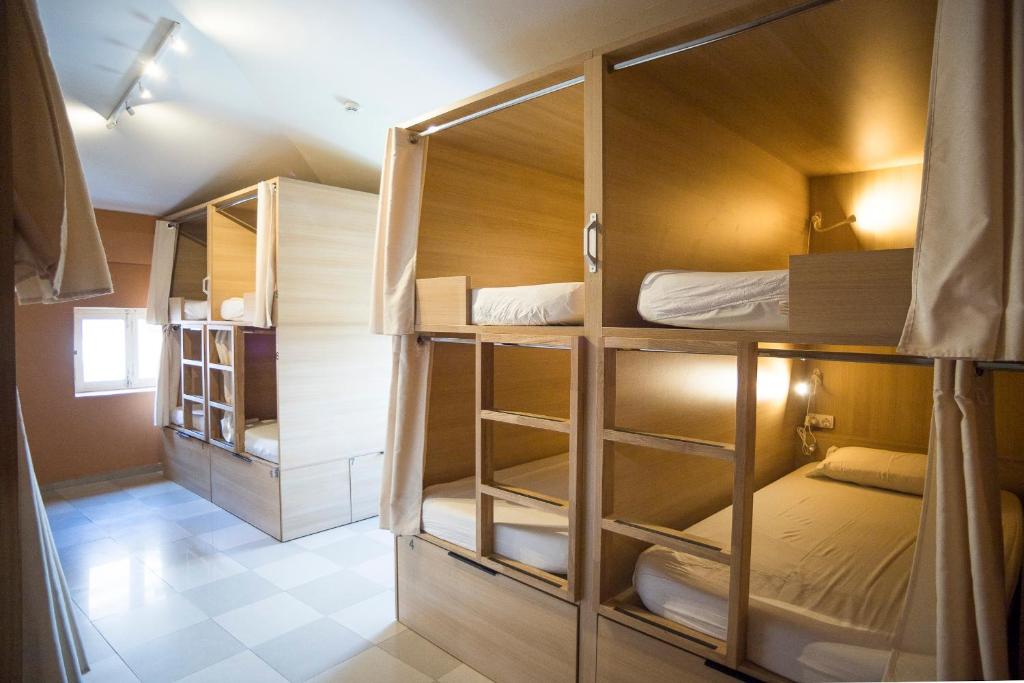
From €25/night (8.2/10)
If you prefer a hostel and staying in a dorm, this is the place for you. Located near the Turia Gardens, this hostel is one of the most popular ones in Valencia. A rare budget option.

From €95/night (8.4/10)
This is the perfect place when you are on a budget but still want to be central. This great room offers the perfect value for money, and you can walk to the old town in minutes.

From €115/night (9.2/10)
You won’t find a hotel in Valencia that feels more central, as it sits right on the main square. The interior is amazing. The rooms are on the smaller side, but for this location I would take that trade.
Before you go
Getting around
The old town is small and flat, so easy to walk around. For the park and the beach, rent a bike or a little scooter. A single ride on public transport in the center is €1,50. For three days, the card you want is the SUMA T3: 72 hours of unlimited travel for €9,70. Take the T3+ version for €12,00 to cover the airport too.. The card itself costs €1 extra, once. If you are doing several paid sights, the Valencia Tourist Card covers public transport plus free entry to the municipal museums.
When to go
May, June, September and October are the best months. July and August are hot and the city is busiest. Winter is mild and very quiet, and a lot of the beach restaurants close. In March, Las Fallas is happening: a week where the city fills with enormous sculptures and parades starting early in the morning. It is a special time to be in Valencia, but it might also be the worst time to visit if you just want to walk around. Check the dates before booking.
Opening days and times
Mercado Central closes at 3pm and is closed all day Sunday. San Nicolás is closed on Mondays. La Lonja is free on Sundays. Don’t put your sightseeing day on a Monday. Also, be prepared for a late lunch: around 2 to 3pm and dinner mainly starts after 9pm.
Money
Questions


Save this guide for later
Pin it now, come back when you’re actually planning the trip.
Keep planning


